
The Psychology of Good Marketing: A Conversation with Megan
As part of our ongoing series spotlighting the people behind Bellwether Concepts, we sat down with Megan, who almost traded her camera bag for a nursing career before realizing where she really belonged. With a psychology degree from Texas A&M and a masters in digital marketing from Emerson College, Megan brings a rare mix of heart and strategy to every client relationship she builds. From reading what a client truly needs to knowing exactly what earns a spot in her go-bag, Megan walks us through what it means to understand people first and let the marketing follow.
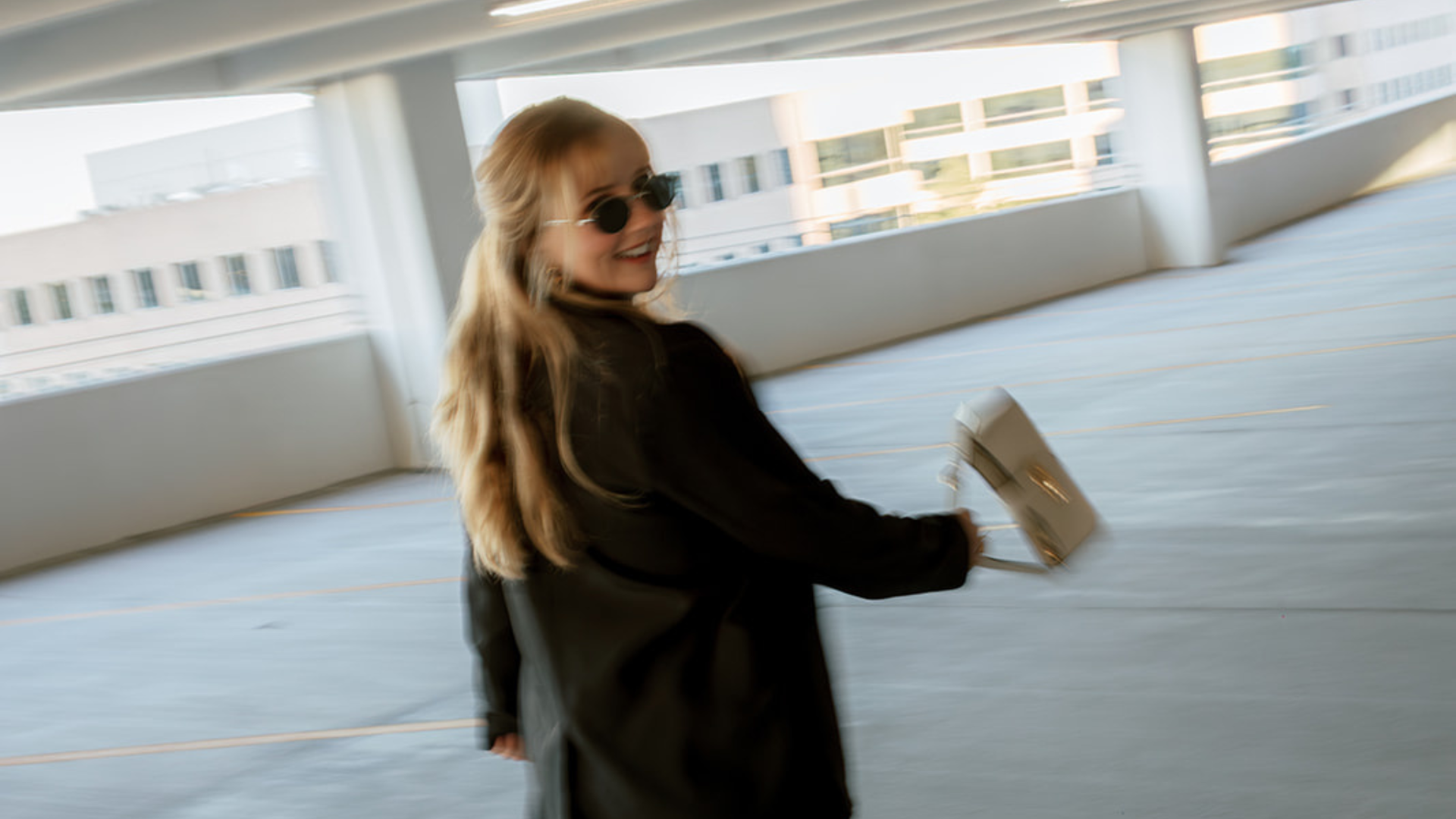
Thank you for joining us. Before we get into your process, our readers would love to get to know you. Can you tell us a bit about yourself and how you found your way into this industry?
I went to Texas A&M fully intending to go into the medical field. I thought I wanted to be a nurse, so I suffered through anatomy & physiology, chemistry, microbiology... all the horrible sciences! I graduated in December 2019, and then COVID happened three months later, which honestly gave me a lot of time to realize I don’t think I ever truly wanted to go into nursing.
I’ve always been a really creative person. I’ve loved photography, videography, writing, and pretty much any creative outlet since I was a kid. I think I was always a little scared to fully commit to that as a career because I knew there was more security in the medical field. Eventually, though, I decided to just take the leap and see where it took me, and I’m really glad I did. That’s how I ended up finding my way into marketing and to Bellwether Concepts!
You studied Psychology at Texas A&M and later earned your Master's in Digital Marketing and Data Analytics from Emerson College. Your role today is so people-focused, but you still need the marketing know-how to back it up. How does that mix show up when you're explaining to a client or a potential client why we do what we do?
I think psychology actually plays a bigger role in marketing than people realize. At the end of the day, marketing is about understanding people: what motivates them, what catches their attention, why they make certain decisions, and how they connect with a brand. Having that psychology background helps me put myself in the audience’s shoes and think about what is actually going to resonate with them.
Then I get to pair that with the marketing and data side of things. So when I’m talking to a client, I’m not just saying, “This is what I think will look good.” I can explain the why behind what we’re doing, how it connects to their audience, and how we can use the data to make sure it’s actually working. I think that combination of understanding people and understanding the strategy behind marketing is really valuable.
Can you share the most memorable moment you've had either building a new community connection or pulling off a shoot under tricky circumstances?
Honestly, there have been so many fun shoots over the last two years. I’ve had plenty of situations where we’ve had a few hours to turn something around or had to completely pivot at the last second, and I actually love that part of the job. No two days are ever the same.
My favorite shoots are when clients are willing to get a little goofy and make funny content with us. It makes the whole day so much more fun. One pretty surreal moment was when a photo I took for a client ended up in the Houston Chronicle with full name credit to me. That was definitely a “wait, is this actually my photo?” moment.
I always tell people that no two days in this job are the same, and honestly, that’s what I love most about it.
What's in your go-bag? Walk us through the 5 non-negotiable items you never leave for a shoot without, and why each one earns its spot.
My go-bag is basically my entire personality at this point. There are a few things I never leave for a shoot without:
1. My Canon 90D — my beloved DSLR and definitely the workhorse of the bag. It’s the camera I trust to get the shot, no matter what we’re doing.
2. My DJI Osmo Pocket 3 — this is amazing for getting really steady video, and it shoots vertically, which is surprisingly rare outside of your phone. It’s perfect for social content!
3. My iPhone — and I will always defend this one. You can get really good footage on a phone, and sometimes it’s the best tool for the moment. I never want people to think they need a fancy camera to make good content.
4. My tripod, microphones and light — okay, technically that’s more than one item, but they’re all non-negotiable. My light is especially important because I can adjust it from warm to cool, which has saved me more times than I can count, especially in really warm-lit spaces like kitchens.
5. My emotional support water bottle — genuinely essential. I’m on my feet for hours, sometimes standing on tables to get the perfect shot, while also talking to clients and running around trying to capture everything. It’s basically a workout!
A big part of your role is being out in the community, keeping current clients happy and finding new ones. How do you approach reading what a client wants versus what you know, based on strategy, is actually best for their brand?
I think a big part of my job is learning how to listen to a client and understand what they’re actually trying to accomplish, not just what they’re asking for in the moment. Sometimes what a client thinks they need and what their brand actually needs are two different things, and that’s why my job is so nuanced and important!
I never want a client to feel like I’m just telling them, “No, that won’t work.” I want to be able to explain why I’m recommending something different and show them how it connects back to their goals and their audience. At the end of the day, they know their business better than I do, and I know the marketing side, so I think the best work happens when we bring those two perspectives together.
What does it take to represent Bellwether Concepts well when you're out in the community, whether that's with an existing client or someone who could become one?
I think it really comes down to being genuine and making people feel like they’re talking to a real person, not just someone trying to sell them something. I’ve definitely struggled with imposter syndrome in the past, so I think that’s part of why I’m so grateful to work at a company like BWC. I genuinely believe in the work we do, and I get to see the impact we have in our community firsthand.
That makes it so much easier to represent the company confidently because I’m not trying to convince someone to believe in something I don’t believe in myself. Whether I’m with an existing client or meeting someone new, I want to build a genuine relationship, be approachable, and make people feel like they can trust me. At the end of the day, I think people can tell when you actually care about what you’re doing.
What's one piece of advice you'd give someone who wants to get better at client-facing communication and relationship building, but doesn't know where to start?
I think consistency is key. You don’t always need a big reason to reach out to a client. Sometimes it’s as simple as popping by to say hey, dropping off donuts, or just checking in. Obviously, there are bigger moments like a planned shoot or meeting, but I think the little interactions matter just as much. The more you get in front of your clients, the more they get to know you, and the more they understand that you genuinely care about them and their business. Relationship building doesn’t always have to be complicated. Sometimes it’s just showing up consistently and being a person they know they can count on.
What's one piece of advice you'd give someone filming content for a client for the very first time next week?
Don’t overthink it. I think it’s really easy when you’re new to a shoot to get caught up in trying to get the “perfect” shot, but the best thing you can do is just start filming. Get a lot of footage, try different angles, move around, and pay attention to what’s happening naturally around you.
And don’t be afraid to ask questions. I’d much rather ask a client what they want and make sure I understand their vision than assume I know what they’re looking for. You can always edit down later, but you can’t go back and recreate a moment you didn’t capture.